How to Choose the Right Jewelry Manufacturer in India Without Getting Burned
Finding the right jewelry manufacturer can make or break your business. Whether you are a retailer in the US, a brand owner in Europe, or...


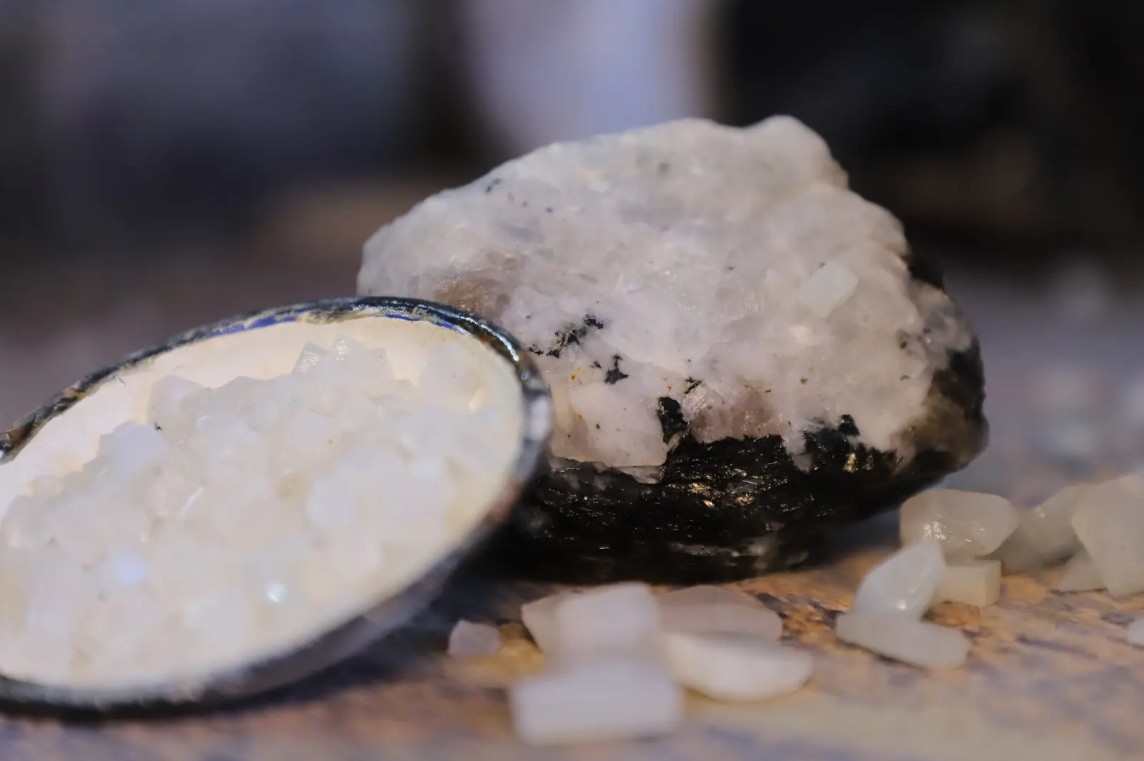
Sustainability in jewelry is no longer a niche concern. Consumers are actively asking where their jewelry comes from, how it was made, and whether the people who made it were treated fairly. For brands and retailers, this means your supply chain story matters as much as your designs. Partnering with a manufacturer who takes sustainability seriously gives you a genuine story to tell your customers.
Here is what sustainable jewelry manufacturing actually looks like in practice and how it affects your sourcing decisions.
Sustainability in jewelry covers three main areas:
One of the biggest shifts in sustainable jewelry is the use of recycled gold and silver. Recycled precious metals have the exact same quality as newly mined ones. There is literally no difference in the final product. But the environmental impact is dramatically lower since no new mining is required.
Many manufacturers now offer recycled metal options. The cost is similar to virgin metal, sometimes even slightly lower. If your brand has a sustainability angle, asking for recycled gold or silver is an easy win.
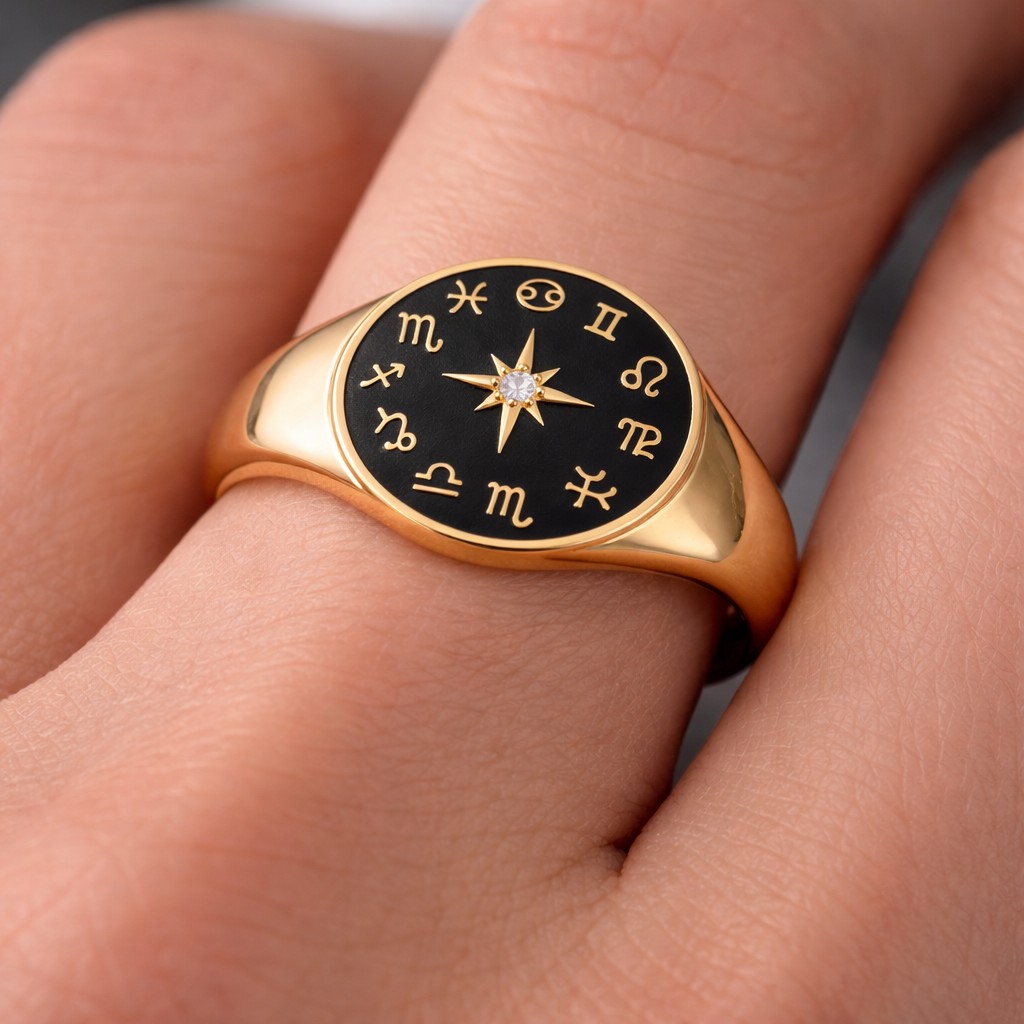
Lab-grown diamonds and gemstones are chemically identical to mined ones but created in controlled environments. They eliminate the environmental damage of mining and the ethical concerns around conflict stones. For many brands, especially those targeting younger consumers, lab-grown is becoming the default choice.
The price advantage is significant too. Lab-grown diamonds cost 60-80% less than mined diamonds of equivalent quality. This lets you offer diamond jewelry at accessible price points while maintaining good margins.
If sustainability is part of your brand story, look for manufacturers with these credentials:
At Pukhraj Gems, sustainability is woven into how we operate. We source our materials from responsible suppliers, maintain fair working conditions, and minimize waste in our production process. Our gold and silver jewelry is crafted with care for both quality and ethics. Connect with us to learn more about our sustainable manufacturing practices.
 by
by